Armored BMW X5 engineering guide: 25–43 mm ballistic glass, B4–B7 protection levels, 380–880 kg weight penalties, and suspension, braking and payload tradeoffs.

Ideas & Insights
Field notes on vehicle armoring, ballistic glass, run-flat tires, and the security events that make protection matter. Start with a topic below.
Latest Entry
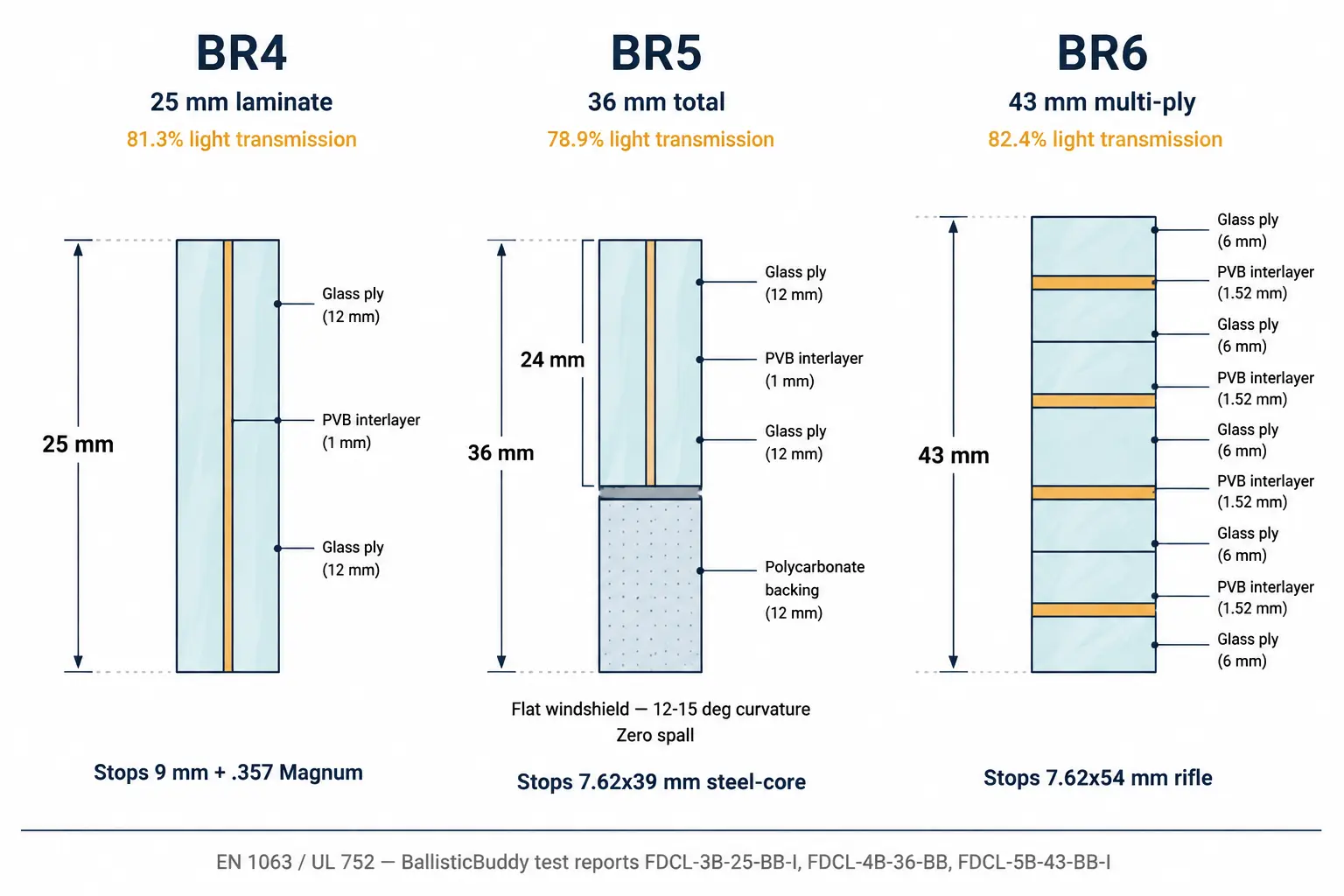
Armored Mercedes G-Class engineering guide: BR4–BR7 protection levels, 25–43 mm ballistic glass, 420–1,050 kg weight penalties, and the suspension, braking and rollover tradeoffs.
More To Read
Armored BMW X5 engineering guide: 25–43 mm ballistic glass, B4–B7 protection levels, 380–880 kg weight penalties, and suspension, braking and payload tradeoffs.
Yes—bulletproofing a car is legal for civilians in the US, Canada, UK, EU, South Africa, and most free-market democracies. Here are the real limits: GVWR and axle loadings, 70% VLT glass rules, export controls, permits, and specialty insurance requirements by country.
How civilian buyers actually acquire a bulletproof car: turn-key versus component builds, the mechanical risks hiding in used armored stock, pre-purchase verification steps, ballistic level reference, and regional procurement rules.
Ballistic car glass costs $10,000–$54,000+ based on threat level, vehicle geometry, and required structural reinforcement.
Bulletproofing a car starts at $75,000–$90,000 USD for handgun protection, while rifle-resistant armor ranges from $170,000–$320,000 USD depending on vehicle and threat level.
Evaluate armoring providers using this framework: vertical integration vs. component sourcing, in-house glass manufacturing advantages, certification vs. test report distinctions, and a non-negotiable pre-signing checklist covering ballistic testing, glass sourcing, and warranty coverage.
The best bulletproof car is determined by verifiable test certifications, transparent glass specs, and proper integration—not marketing.
Armored SUVs add 800-1,200 lbs of protection affecting braking and handling, making platform selection—body-on-frame design and payload capacity—critical for safety.
Civilian vehicle armoring requires specific threat assessment to choose BR4, BR6, or BR7 protection. Costs range from $40k to $415k, with body-on-chassis platforms offering the best weight and engineering balance.
Bulletproofing a car is a five-step engineering rebuild, not a simple upgrade. It involves threat assessment, integrated ballistic glass and body armor, and run-flat systems, taking 8–14 weeks.
Most civilian vehicles can be retrofitted with ballistic protection, but weight capacity limits feasibility. Mid-size SUVs and trucks are ideal; compact cars face structural and warranty tradeoffs.