
Idées & Perspectives
Ballistic glass is the component most people ask about first, and the one most often misunderstood. "Bulletproof" is not a single property or a material you can buy by the sheet — it is a rating earned against a defined threat, in a defined test, at a defined construction. A pane that stops a handgun round is not the same product as one rated for a rifle, and the difference changes thickness, weight, optical quality, and price by a wide margin. This cluster covers what those ratings mean in practice: the difference between NIJ and European B-level standards, how laminate build-up and thickness affect clarity and distortion, why a certified pane is not the same as a pane that was merely tested once, how glass integrates with the rest of a vehicle's protection envelope, and where ballistic glazing is used beyond vehicles entirely. Glass is also where buyers most often get oversold. A level that is unnecessary adds weight and cost with no real benefit; a level that is too low fails the only test that matters. The articles below are written to let you compare levels, materials, and real-world performance on equal terms before you specify anything. Begin with the pillar guide for the complete overview of ballistic glazing, then go deeper on the specific rating, material, or application that applies to you.
Article en Vedette
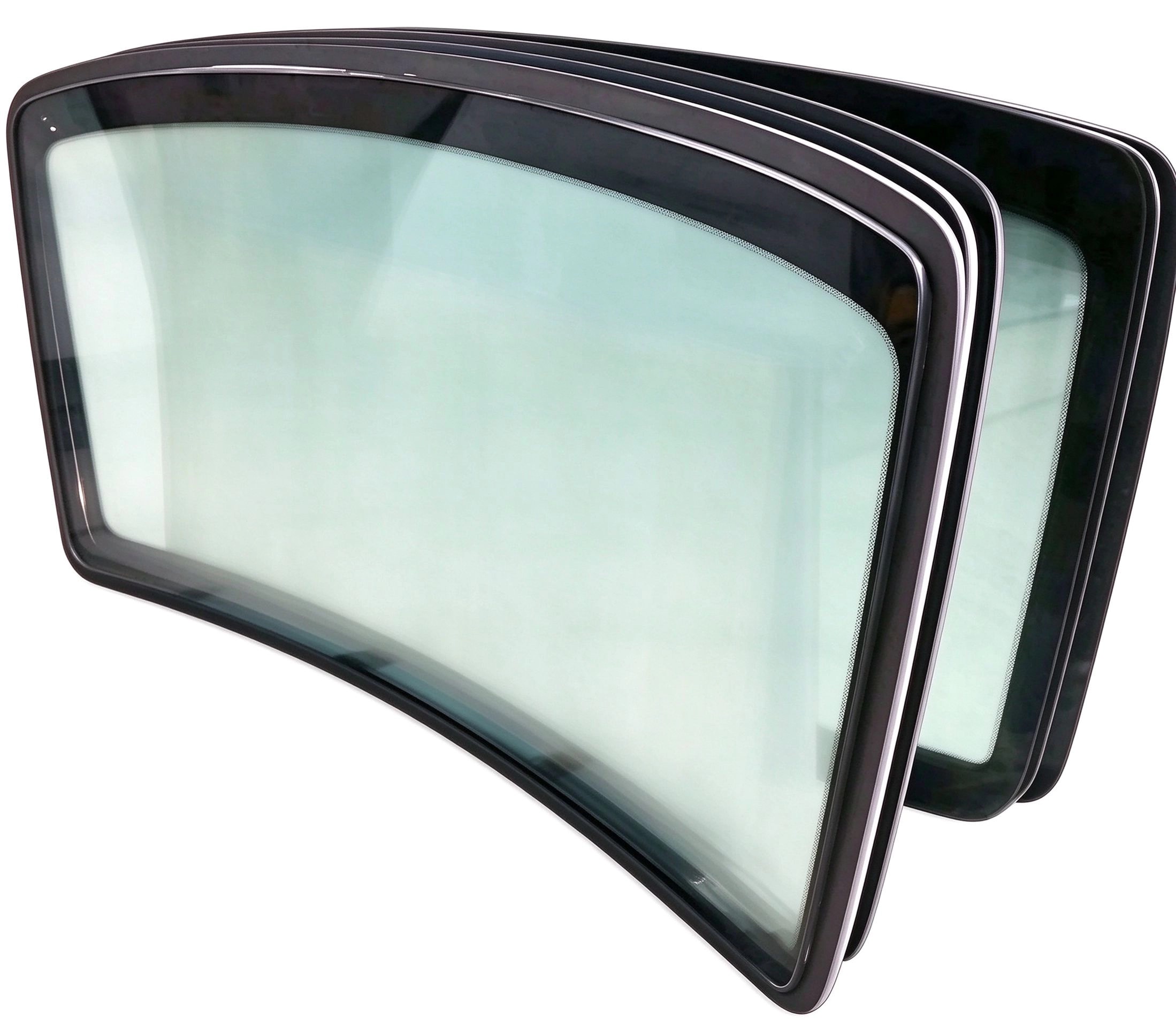
Fonctionnement du vitrage balistique pour véhicules, niveaux de protection EN 1063 / UL 752 et épaisseurs, données réelles de tests certifiés pour des constructions de 25 mm / 36 mm / 43 mm, compromis d'installation et de poids, et processus d'achat centré sur les échantillons avec rapports de test de tiers.